
Get expert care for a healthier heart with advanced Pacemaker Implantation. Consult Dr. Anshu Kabra, one of the best doctors for Pacemaker Implant in Jaipur, offering safe, minimally invasive treatment for slow heart rhythms (bradycardia) with personalized care and excellent patient outcomes.
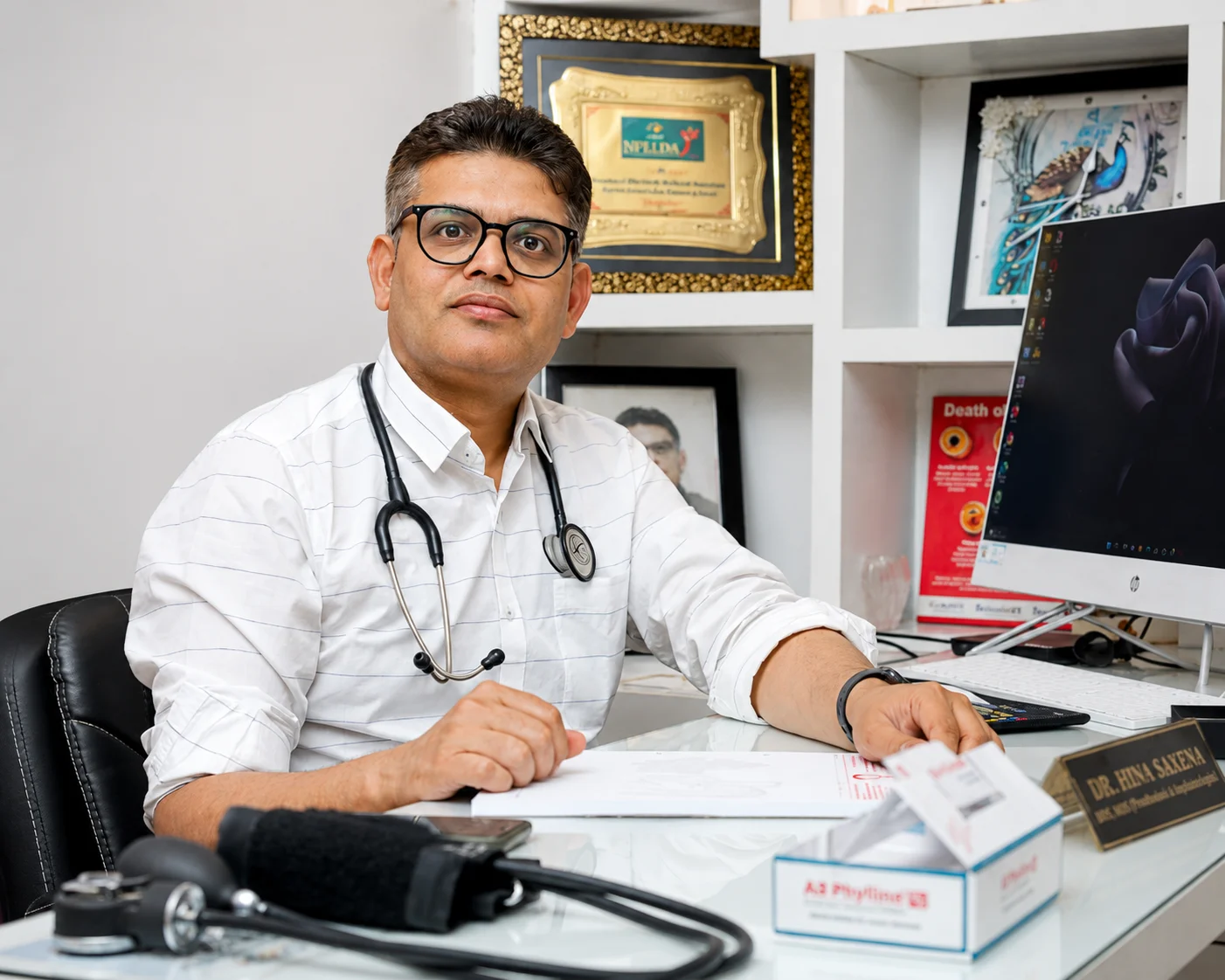
Dr. Anshu Kabra is an experienced Interventional Cardiologist specializing in advanced cardiac device implantation and rhythm management, with 15+ years of clinical experience, 20,000+ cardiac procedures, and 400+ successful device implantations. As Additional Director - Cardiology at Narayana Hospital, Jaipur, he combines advanced cardiac expertise with individualized treatment planning and follow-up care. He provides personalized evaluation and minimally invasive pacemaker implantation for patients with slow or abnormal heart rhythms. His expertise includes the diagnosis and management of bradycardia, heart block, and other rhythm disorders where pacemaker therapy may be required. Dr. Kabra focuses on accurate cardiac evaluation, precise device placement, and structuredbradycardia, heart block, and other rhythm disorders where pacemaker therapy may be required. Dr. Kabra focuses on accurate cardiac evaluation, precise device placement, and structured post-procedure follow-up to support safe and effective long-term heart rhythm management.
Advanced pacemaker implantation for patients with clinically significant slow heart rates and rhythm disorders.
Detailed assessment using ECG, Holter monitoring, echocardiography and other diagnostic investigations to determine the underlying rhythm problem.
Pacemaker leads are carefully positioned under imaging guidance, with the device programmed according to the patient's individual cardiac requirements.
Regular device checks, programming, battery monitoring and personalized follow-up to support long-term pacemaker function and cardiac health.
A pacemaker device is a small electronic medical device designed to help regulate the heart’s rhythm when the heartbeat becomes too slow or irregular. It consists of a pulse generator and, in many cases, thin leads that connect to the heart. The device monitors the heart’s rhythm and delivers small electrical impulses when needed to maintain an appropriate heart rate. For patients looking for the Best Doctor for Pacemaker Implant in Jaipur, proper evaluation and expert guidance are important for choosing the appropriate pacemaker and ensuring effective long-term care.
Detailed cardiac assessment to identify slow or irregular heart rhythms and determine whether pacemaker therapy may be appropriate.
Carefully selected pacemaker devices are implanted through a minimally invasive procedure to support a more regular heart rhythm.
Routine device checks, programming, battery monitoring and cardiac follow-up help maintain effective pacemaker function over time.
Pacemaker implantation may be recommended when the heart beats too slowly or irregularly and cannot maintain an adequate heart rate on its own. For patients considering Pacemaker Implant in Jaipur, understanding when a pacemaker is needed and how it works can help them make informed decisions about their heart rhythm treatment. The device continuously monitors the heart’s electrical activity and delivers small electrical impulses when required to support an appropriate and consistent heartbeat.
1. When the Heart Rate Is Too Slow : Pacemaker implantation may be considered for significant bradycardia that causes symptoms or affects the heart’s ability to function properly.
2. In Heart Block and Rhythm Disorders : A pacemaker may be recommended when electrical signals between the upper and lower chambers of the heart are disrupted.
3. Monitors the Heart Rhythm : The pacemaker continuously detects the heart’s electrical activity and identifies when the heartbeat becomes slower than the programmed rate.
4. Delivers Electrical Impulses When Needed : When required, the device sends small electrical impulses to stimulate the heart and help maintain an appropriate rhythm.
5. Supports Long-Term Rhythm Management : The pacemaker is programmed according to the patient’s condition, while regular follow-up helps monitor device performance, settings, and heart rhythm.
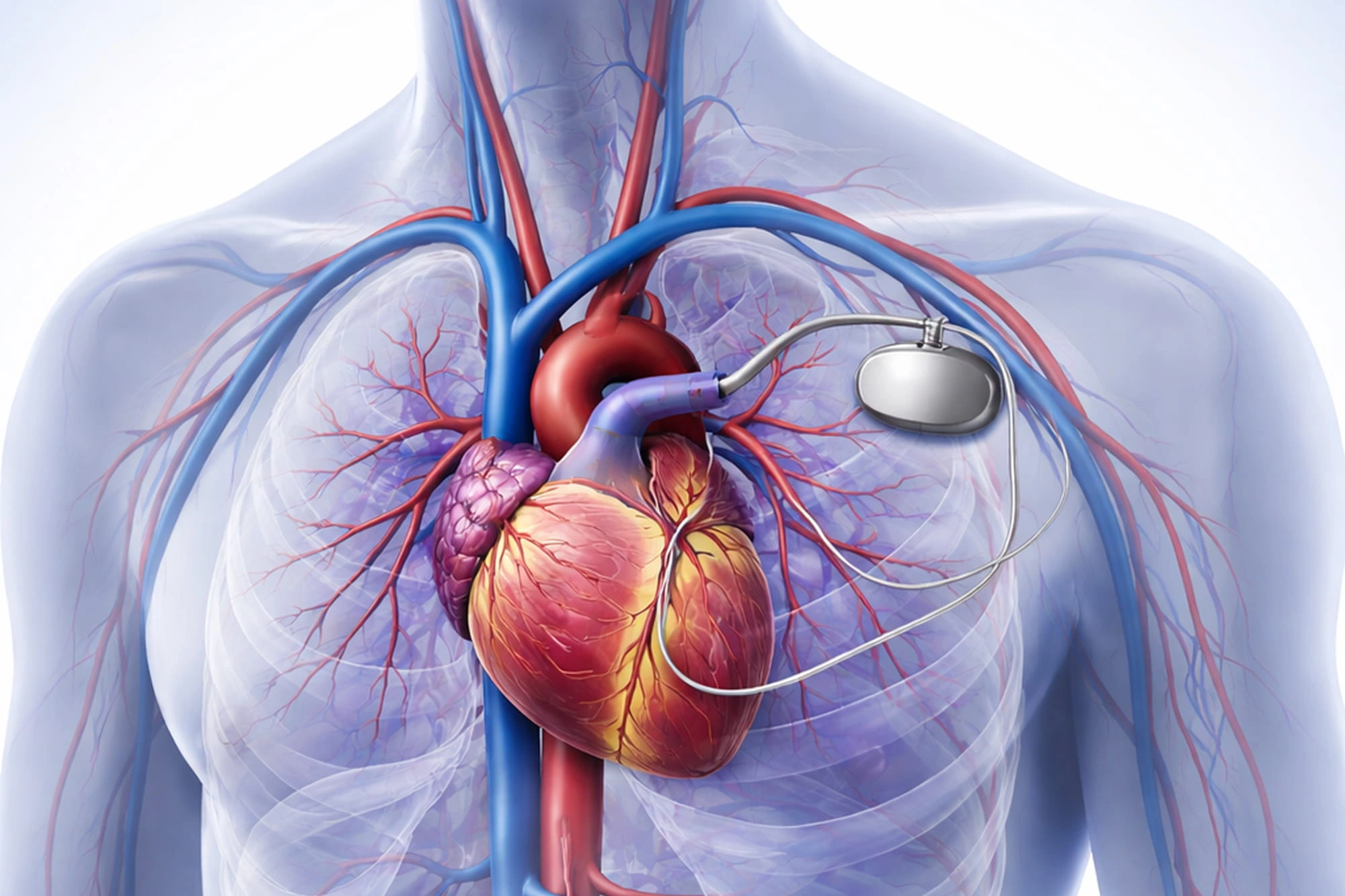
Pacemaker implantation can provide important support for people with certain slow or irregular heart rhythms. By helping maintain an appropriate heartbeat, a pacemaker may improve symptoms, support daily activities, and provide reliable long-term rhythm management.
Helps maintain an appropriate and more consistent heart rate when the heart’s natural rhythm is too slow or irregular.
May help reduce symptoms associated with slow heart rates, including dizziness, fainting, weakness, fatigue, and reduced exercise tolerance.
Better heart-rate control can help patients perform routine activities with greater comfort and confidence.
In appropriate patients, maintaining a suitable heart rate may help reduce episodes of fainting caused by certain rhythm abnormalities.
Supporting an appropriate heart rate can help some patients remain more active and perform physical activities more comfortably.
Provides ongoing electrical stimulation when the heart needs assistance maintaining its rhythm.
A pacemaker can provide continuous support for certain heart rhythm disorders with regular monitoring and follow-up.
The device can be programmed according to the patient’s individual heart condition and rhythm requirements.
When the heart’s natural rhythm becomes too slow, the pacemaker can provide electrical stimulation to support an appropriate rate.
Compatible pacemakers may allow healthcare teams to monitor device function and certain heart-rhythm information remotely.
For appropriately selected patients, pacemaker therapy can help prevent complications associated with prolonged or significant slow heart rates.
Knowing that the device is continuously monitoring and supporting the heart rhythm can provide reassurance as part of ongoing cardiac care.
Clear explanations, trusted advice, and honest answers about device therapy for informed decision-making.
Ask Dr. Kabra DirectlyChoosing the right cardiac specialist is important when considering pacemaker implantation for slow or irregular heart rhythms. Dr. Anshu Kabra, MD, DM (Cardiology), Additional Director - Cardiology at Narayana Hospital, Jaipur, provides specialized cardiac care focused on detailed rhythm evaluation, appropriate device selection, modern pacemaker implantation, and long-term follow-up. Patients looking for the Best Heart Specialist Doctor in Jaipur can benefit from his comprehensive approach to heart rhythm management.
Dr. Anshu Kabra is an experienced Interventional Cardiologist with expertise in managing various complex cardiac conditions, including heart rhythm problems that may require pacemaker therapy. His clinical approach focuses on understanding the underlying cause of the rhythm abnormality before recommending treatment.
Before pacemaker implantation, a detailed evaluation is performed to understand the patient's heart rhythm, symptoms, and overall cardiac condition. Tests such as ECG, Holter Monitoring, and Echocardiography may help assess the need for pacemaker therapy and guide treatment planning.
Pacemaker implantation is performed using contemporary cardiac techniques with careful attention to lead placement, device positioning, and pacemaker function. The procedure is planned according to the patient's specific rhythm condition and clinical requirements.
The choice of pacemaker and treatment approach depends on the patient's heart rhythm, underlying condition, medical history, and individual needs. Dr. Kabra focuses on selecting an appropriate device and planning treatment
Pacemaker care involves more than the implantation procedure itself. Patients receive guidance from the initial cardiac evaluation and treatment planning through the implantation process and subsequent recovery, helping maintain continuity of care.
Regular follow-up is an important part of pacemaker care. Device checks can help evaluate pacemaker performance, heart rhythm, battery status, and device settings, allowing timely adjustments when required and supporting long-term rhythm management.
Fill in your details and our team will connect with you shortly to guide you through the next steps.