
Mon - Sat: 10:00 AM - 4:00 PM
whatsapp image
Advanced Valvular & Congenital Care

Best Structural Heart Disease Specialist in Jaipur for Advanced & Minimally Invasive Heart Care

Get specialized care from the Best Structural Heart Disease Specialist in Jaipur for complex structural heart conditions. Dr. Anshu Kabra focuses on advanced, minimally invasive catheter techniques for heart valve disorders and congenital heart defects.
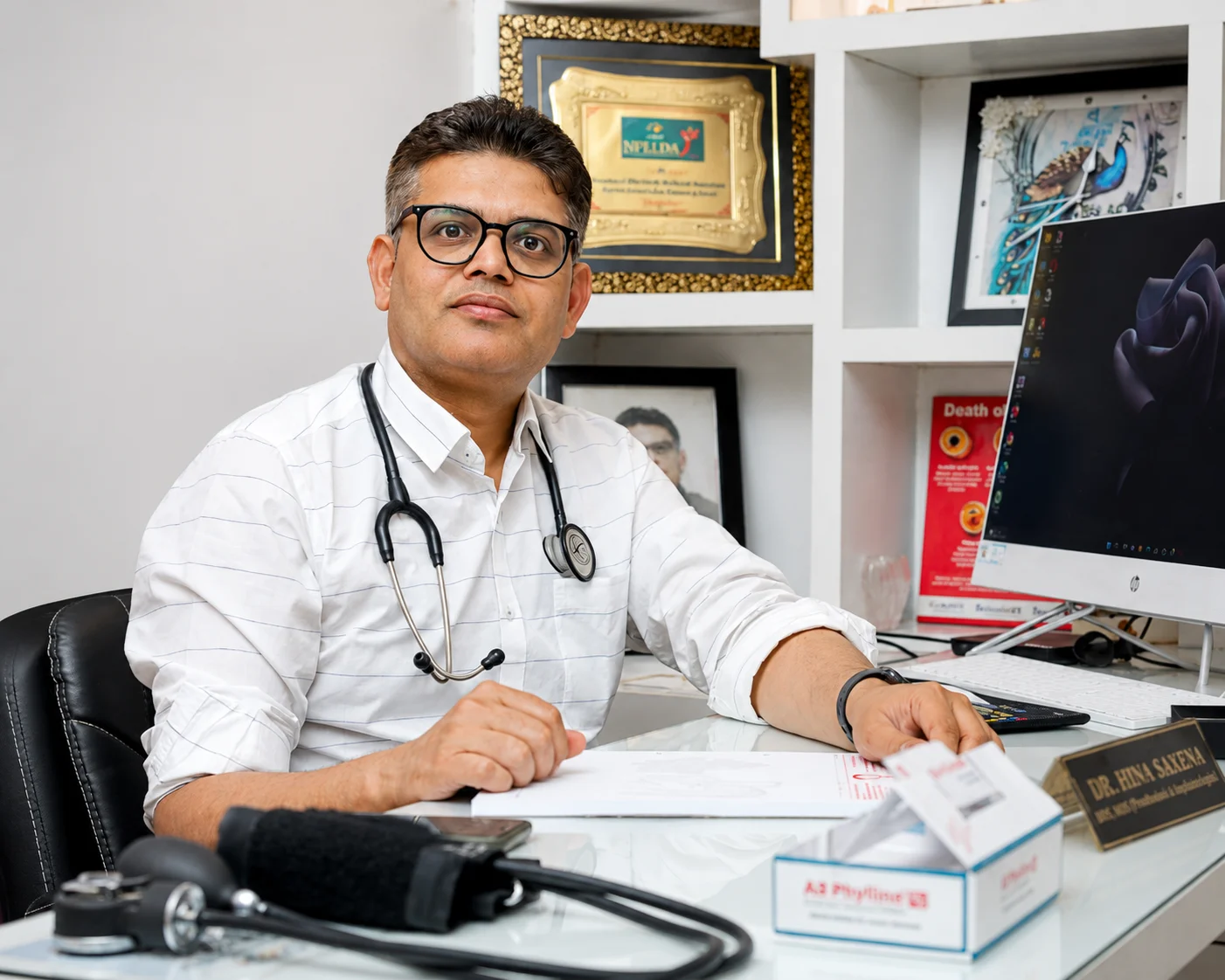
Dr. Anshu Kabra, Interventional Cardiologist

Dr. Anshu Kabra

Additional Director – Cardiology
Proctor In - Robotic Graft Repair
Proctor In - Leadless Pacemaker
  • MD, DM (Cardiology) — Advanced training in Interventional & Structural Cardiology.
  • Additional Director – Cardiology, Narayana Multispeciality Hospital, Jaipur.
  • International Structural Heart Fellowship — University Medical Centre, Astana, Kazakhstan.
  • Advanced Fellowship Training — TAVI/TAVR, Transcatheter Mitral Valve Implantation, ASD/PFO Device Closure & 3D Transesophageal Echocardiography (3D TEE).
15+
Years of Experience
20k+
Cardiac Procedures Performed
8+ TAVI
Procedures Performed
300+
Pacemaker Procedures Performed
Overview

What is Structural Heart Disease?

Structural heart disease refers to abnormalities affecting the heart’s valves, chambers, walls or major blood vessels that can interfere with normal cardiac function. Conditions such as aortic stenosis, atrial septal defect (ASD), ventricular septal defect (VSD), and patent ductus arteriosus (PDA) may require specialized evaluation and treatment. For patients seeking the Best Structural Heart Disease Specialist in Jaipur, Dr. Anshu Kabra provides expert assessment and advanced minimally invasive treatment options based on individual cardiac needs.

Heart Valve Conditions
Aortic Stenosis & Valve Disorders

Aortic stenosis occurs when the aortic valve becomes narrowed, making it harder for the heart to pump blood effectively. Depending on the severity and individual patient factors, advanced treatment options such as TAVI/TAVR may be considered as an alternative to conventional valve surgery.

Congenital Heart Conditions
ASD, VSD & PDA

ASD, VSD and PDA are structural heart conditions that may affect normal blood flow through the heart or major vessels. For suitable patients, catheter-based device closure can provide a minimally invasive treatment approach without traditional open-heart surgery.

The Interventional Advantage

What Are the Types of Structural Heart Disease?

Structural heart disease can affect different parts of the heart, including the valves, chambers, walls and major blood vessels. Some conditions develop over time, while others are present from birth. Understanding the type and severity of the condition is important for selecting the right Structural Heart Disease Treatment in Jaipur.
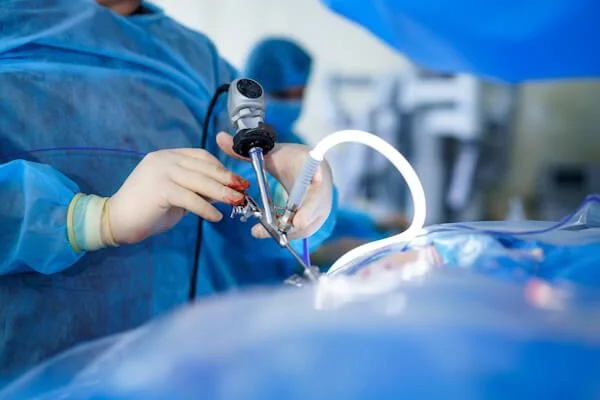
  • 1. Aortic Valve Stenosis: A condition in which the aortic valve becomes narrowed or stiff, restricting blood flow from the heart to the body. Severe cases may cause chest pain, breathlessness, dizziness or fainting and may require treatments such as TAVI/TAVR.
  • 2. Mitral Regurgitation: A condition where the mitral valve does not close properly, allowing blood to flow backward into the left atrium. Depending on its severity, it may lead to breathlessness, fatigue and reduced heart function.
  • 3. Mitral Stenosis: Narrowing of the mitral valve that restricts blood flow from the left atrium to the left ventricle. It can increase pressure in the lungs and may cause breathing difficulties and fatigue.
  • 4. Atrial Septal Defect (ASD): A congenital opening between the heart’s upper chambers that can allow abnormal blood flow between the atria. Selected patients may be suitable for minimally invasive ASD device closure
  • 5. Ventricular Septal Defect (VSD): An opening between the heart’s lower chambers that may alter normal blood circulation. Depending on the size and location of the defect, VSD device closure may be considered.
  • 6. Patent Ductus Arteriosus (PDA): A persistent connection between the aorta and pulmonary artery that can cause abnormal blood flow. Suitable patients may benefit from minimally invasive PDA device closure.
  • 7. Patent Foramen Ovale (PFO): An opening between the atria that normally closes after birth but remains open in some individuals. In selected patients, it may be associated with an increased risk of certain complications, including stroke.
Structural heart specialist Jaipur

When Is Structural Heart Treatment Needed and How Is It Performed?

Structural heart treatment may be recommended when an abnormality affecting the heart valves, chambers or walls significantly impacts blood flow or cardiac function. For patients consulting a Structural Heart Disease Doctor in Jaipur, a detailed cardiac evaluation helps determine the condition, its severity and the most appropriate treatment option. Depending on the condition, minimally invasive catheter-based procedures may be considered.

  1. When a Heart Valve Becomes Severely Narrowed - In conditions such as aortic stenosis, significant valve narrowing can restrict blood flow and may require advanced treatment such as TAVI/TAVR.
  2. When a Heart Valve Does Not Function Properly - Valve conditions such as mitral regurgitation can cause blood to flow backward and may require specialized evaluation and intervention.
  3. When a Structural Heart Defect Affects Blood Flow - Conditions such as ASD, VSD or PDA can create abnormal blood flow within or around the heart and may require treatment in suitable patients.
  4. Minimally Invasive Catheter-Based Treatment - Selected structural heart conditions can be treated through catheter-based procedures, reducing the need for conventional open-heart surgery.
  5. Personalized Treatment & Follow-Up - The treatment approach is selected according to the patient’s condition, cardiac anatomy and overall health, followed by appropriate monitoring and cardiac follow-up.
Benefits

What Are the Symptoms and Warning Signs of Structural Heart Disease?

Structural heart disease can present with different symptoms depending on the affected heart valve, chamber or structural abnormality. Some patients may have mild or no symptoms initially, while others may experience noticeable changes in their breathing, energy levels or physical activity. Recognizing these warning signs can help patients seek timely evaluation from a Structural Heart Disease Doctor in Jaipur.

Shortness of Breath

Breathlessness during physical activity or, in more advanced cases, even during routine activities may occur when structural heart disease problems affect the heart’s ability to pump blood effectively.

Chest Pain or Discomfort

Pressure, tightness or discomfort in the chest can occur with certain valve and structural heart conditions and should not be ignored.

Fatigue and Weakness

Unusual tiredness or reduced energy, particularly during activities that were previously comfortable, may be associated with impaired cardiac function.

Dizziness or Lightheadedness

Structural heart conditions, especially significant valve problems, may cause dizziness or a feeling of lightheadedness.

Fainting or Near-Fainting

Episodes of fainting or nearly fainting can be an important warning sign and may require prompt cardiac assessment.

Reduced Exercise Tolerance

Difficulty performing normal physical activities or becoming tired more quickly than usual may indicate an underlying heart problem.

Rapid or Irregular Heartbeat

Some patients may experience palpitations, a racing heartbeat or an unusual awareness of their heartbeat.

Swelling in the Legs or Feet

Fluid retention causing swelling around the ankles, feet or lower legs can occur when certain structural heart conditions affect cardiac function.

Persistent Cough or Breathing Difficulty

Ongoing cough or difficulty breathing, particularly when lying down, may occur with some heart valve conditions..

Breathlessness During Routine Activities

Becoming unusually breathless while walking, climbing stairs or performing everyday tasks can be a sign that further cardiac evaluation is needed.

Reduced Physical Activity

Gradually avoiding activities because of tiredness, breathlessness or weakness may indicate that a structural heart condition is affecting daily life.

Symptoms That Progress Over Time

Increasing breathlessness, fatigue, chest discomfort or reduced stamina should be evaluated rather than attributed simply to age or lack of fitness.

Dr. Anshu Kabra, Interventional Cardiologist
15+ Years Clinical Excellence

Dr. Anshu Kabra - Structural Heart Disease Specialist in Jaipur

Dr. Anshu Kabra, MD, DM (Cardiology), Additional Director – Cardiology at Narayana Multispeciality Hospital, Jaipur, successfully completed an international Structural Heart Fellowship at University Medical Centre, Astana, Kazakhstan.

Dr. Anshu Kabra is an experienced Interventional Cardiologist specializing in structural heart disease and minimally invasive cardiac interventions, with 15+ years of clinical experience and 20,000+ cardiac procedures. As Additional Director - Cardiology at Narayana Hospital, Jaipur, he provides individualized evaluation and treatment planning for patients with structural heart conditions. His expertise includes TAVI/TAVR for aortic stenosis, ASD, VSD and PDA device closure, along with other catheter-based structural heart procedures. He focuses on accurate diagnosis, appropriate procedure selection and comprehensive follow-up to support effective cardiac care.

Specialized Expertise in Structural Heart Interventions

Dr. Anshu Kabra provides comprehensive evaluation and minimally invasive treatment for structural heart conditions, including:

TAVI / TAVR

Catheter-based treatment options for eligible patients with aortic valve stenosis, designed to replace the diseased valve without conventional open-heart surgery.

ASD & VSD Device Closure

Minimally invasive catheter-based closure of selected atrial septal defects and ventricular septal defects using appropriate closure devices.

PDA Device Closure

Percutaneous closure of patent ductus arteriosus in suitable patients to help manage abnormal blood flow between the major blood vessels.

Structural Heart Evaluation

Detailed cardiac assessment and imaging to understand the structural abnormality and determine the most appropriate treatment approach for each patient.

Minimally Invasive Cardiac Procedures

Advanced catheter-based interventions that may provide an alternative to conventional surgical approaches for selected structural heart conditions.

Post-Procedure Follow-Up

Structured follow-up and cardiac monitoring after structural heart interventions to assess recovery, device function and ongoing heart health.

Bringing Specialized Structural Heart Expertise to Jaipur

Dr. Anshu Kabra provides specialized care for structural heart conditions, with a focus on minimally invasive, catheter-based treatment approaches. His clinical expertise covers advanced procedures for heart valve disorders and congenital heart defects, helping suitable patients access alternatives to traditional open-heart surgery.

His structural heart practice includes TAVI/TAVR for aortic valve disease and ASD, VSD & PDA device closure for selected congenital heart defects. Treatment planning is based on detailed cardiac evaluation, the patient’s condition, and the most appropriate minimally invasive approach.

  • TAVI / TAVR - Catheter-based treatment for suitable patients with severe aortic stenosis.
  • ASD, VSD & PDA Device Closure - Minimally invasive closure of selected congenital heart defects.
  • Catheter-Based Structural Heart Care - Advanced procedures through small vascular access points instead of traditional open-heart surgery.
  • Personalized Treatment Planning - Detailed evaluation to determine the most suitable structural heart treatment for each patient.
TAVI / TAVR - ASD Device Closure VSD Device Closure PDA Device Closure
FAQs

Structural Heart Treatment Questions Answered

Get clear answers to common questions about structural heart disease treatment, TAVI/TAVR, heart valve conditions, ASD, VSD, PDA device closure, and minimally invasive catheter-based procedures.

Ask Dr. Kabra Directly

Structural heart disease refers to abnormalities affecting the physical structure of the heart, including its valves, chambers, walls, and surrounding tissues. These conditions may be congenital, such as ASD or VSD, or develop later in life due to aging, infection, or valve-related damage, such as aortic stenosis. Consulting a Structural Heart Disease Specialist in Jaipur can help with proper diagnosis, evaluation, and treatment planning based on the specific heart condition.

The type of anesthesia used during a structural heart procedure depends on the specific treatment, the patient’s condition, and the complexity of the procedure. Some catheter-based procedures may be performed with local anesthesia and conscious sedation, while procedures such as TAVI/TAVR may require deeper sedation or general anesthesia. Dr. Anshu Kabra carefully evaluates each patient to determine the most appropriate and comfortable approach.

Hospital stay after a structural heart procedure depends on the type of treatment, the patient’s overall health, and recovery progress. Since many procedures use minimally invasive catheter-based techniques, patients may require a shorter hospital stay compared with traditional open-heart surgery. For procedures such as ASD device closure or TAVI/TAVR, suitable patients may often be discharged within a few days when recovery is stable and there are no complications.

Structural heart procedures can help manage conditions affecting the heart valves and chambers, including aortic stenosis, heart valve disorders, ASD, VSD, and PDA. The appropriate treatment depends on the type and severity of the condition.

TAVI/TAVR is a catheter-based procedure used to replace a diseased aortic valve without traditional open-heart surgery. It may be considered for suitable patients with severe aortic stenosis, depending on their age, health, valve condition, and overall treatment assessment.

In selected patients, defects such as ASD, VSD, and PDA may be treated using catheter-based device closure. A specialized device is guided through a blood vessel and positioned to close the defect.

Diagnosis may involve a detailed cardiac evaluation along with tests such as echocardiography, ECG, CT scans, or cardiac catheterization, depending on the suspected condition. The results help determine the most appropriate treatment approach.

Choosing the Best Heart Specialist in Jaipur is important when you need specialized care for structural heart conditions. Consider the doctor’s experience, expertise in structural heart procedures, treatment approach, diagnostic facilities, and experience with minimally invasive catheter-based interventions. A detailed consultation can help determine the most appropriate treatment based on your heart condition and individual needs.

Why Choose Dr. Anshu Kabra for Structural Heart Disease Treatment in Jaipur?

Choosing Dr. Anshu Kabra for Structural Heart Disease Treatment in Jaipur may be considered based on

01
Advanced Structural Heart Expertise

Dr. Anshu Kabra specializes in structural heart interventions, including TAVI/TAVR and selected ASD, VSD and PDA device closure procedures.

02
Extensive Clinical Experience

With 15+ years of clinical experience and 20,000+ cardiac procedures, Dr. Anshu Kabra brings extensive experience in interventional cardiac care.

03
Minimally Invasive Treatment

Catheter-based structural heart procedures can provide suitable patients with minimally invasive treatment options for selected heart conditions.

04
Personalized Treatment Planning

Each patient undergoes detailed cardiac evaluation so that the treatment approach can be planned according to the condition, cardiac anatomy and individual requirements.

05
Comprehensive Cardiac Evaluation

Detailed assessment and appropriate cardiac imaging help identify structural abnormalities and determine suitable treatment options.

06
Structured Follow-Up Care

Ongoing monitoring and follow-up after treatment help assess recovery, device function and long-term cardiac health.

07
Advanced Interventional Approach

Focus on precise catheter-based interventions and appropriate procedure selection for eligible structural heart conditions.

08
Experienced Cardiology Leadership

Dr. Anshu Kabra serves as Additional Director - Cardiology at Narayana Hospital, Jaipur, providing specialized interventional cardiac care.

Book Your Structural Heart Consultation

Share your details with us, and our care coordinator will get in touch with you to help schedule a consultation with Dr. Anshu Kabra and guide you through the next steps of your structural heart evaluation.

Please enter the patient's name.
Please enter a valid mobile number.
WhatsApp Call Now Book Now